
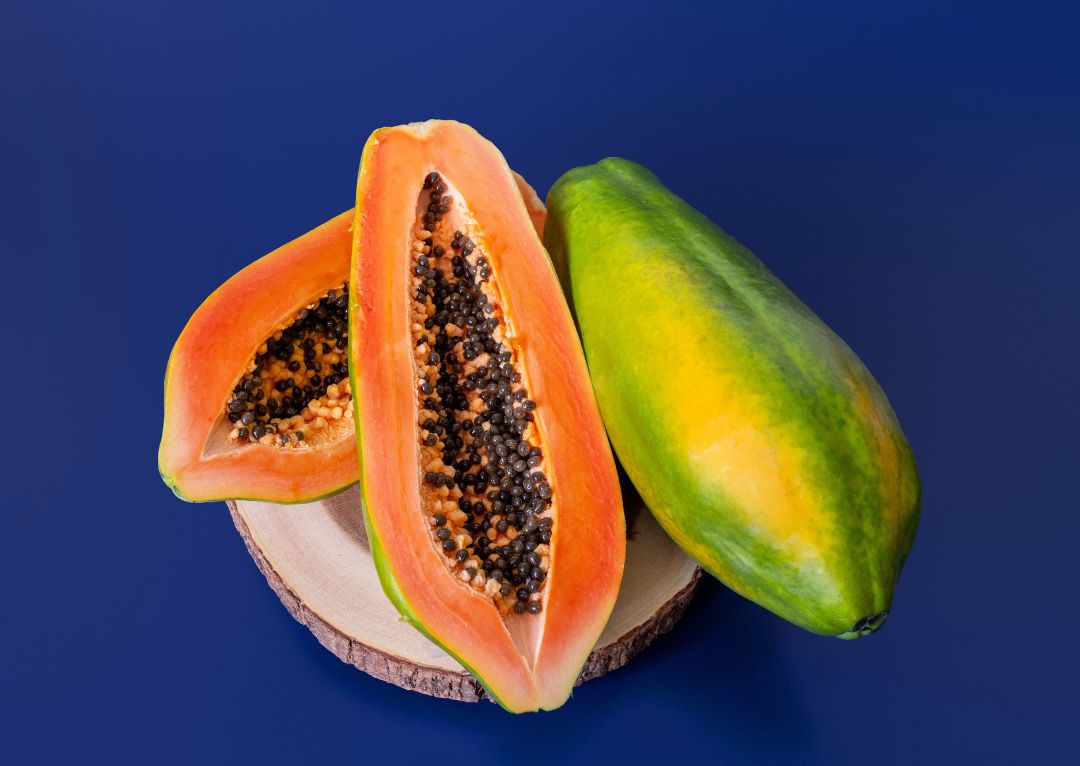
Tropical fruit comes from plants that grow in warm tropical climates, while exotic fruit is a broader term for fruit considered unusual or less familiar in a particular country. The two categories often overlap, meaning a fruit can be both tropical and exotic.
However, not every tropical fruit is exotic, and not every exotic fruit grows in the tropics.
What is tropical fruit?
Tropical fruit grows in regions with warm temperatures and, often, high humidity. Many varieties are cultivated across Asia, Africa, Central and South America, and the Caribbean.
Familiar examples include mangoes, pineapples, bananas and papayas. These fruits are widely available in UK supermarkets, so they may no longer feel particularly unusual, even though they originate from tropical regions.
Tropical fruits are often prized for their juicy textures, fragrant aromas and distinctive sweet or tangy flavours. They can be enjoyed fresh, blended into smoothies or incorporated into desserts and savoury dishes.
What makes a fruit exotic?
The word ‘exotic’ describes something unusual or unfamiliar in a particular context. When applied to fruit, it often refers to varieties that are less commonly found in everyday shops or that offer distinctive appearances, textures and flavours.
Examples include rambutan, mangosteen, sapodilla and certain varieties of guava. Some may be familiar to people in the regions where they originate, but are exotic to many of us here in the UK.
Can fruit be both tropical and exotic?
Yes; rambutan, mangosteen and dragon fruit are examples of fruits that can be described as both tropical and exotic. The distinction depends on whether you are talking about their growing environment or how unusual they are to the intended audience.
For adventurous food lovers, exploring less familiar varieties is an opportunity to discover new flavours and culinary traditions.
A luxury exotic fruit box delivery makes this exploration easier by bringing together a selection of distinctive fruits to enjoy at home, share with family or serve to guests.